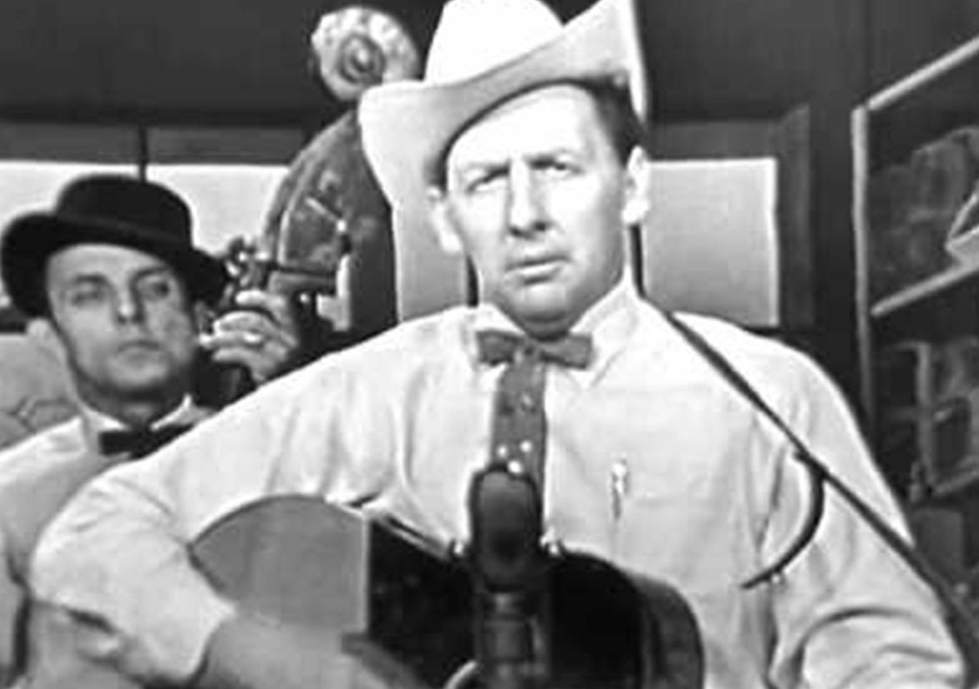
When you hear the high, soaring harmonies that define the classic bluegrass sound, you’re hearing the legacy of Curly Seckler. A tenor singer, rhythm guitarist, and mandolinist, Seckler was a behind-the-scenes giant who helped define what bluegrass harmony should sound like. With a career spanning over 75 years, Seckler’s voice supported some of the most iconic names in bluegrass history—yet his contributions often came without fanfare.
But make no mistake: without Curly Seckler, bluegrass wouldn’t sound the same.
Early Life and Musical Roots
John Ray Seckler, known as Curly, was born on December 25, 1919, in China Grove, North Carolina. He grew up in a musical household, learning to sing and play guitar, banjo, and mandolin alongside his brothers. The Seckler Brothers performed locally in the 1930s, playing a mix of traditional songs and the emerging styles of country and hillbilly string band music.
Curly’s biggest early influence was the Brother Duet tradition of the 1930s—tight vocal harmony acts like The Monroe Brothers and The Blue Sky Boys. His natural gift for tenor harmony singing became his defining trait and his gateway to the bluegrass elite.
With Charlie Monroe and the Rise of Bluegrass
Seckler’s first professional break came in the late 1930s when he joined Charlie Monroe and the Kentucky Partners, after Bill and Charlie Monroe had gone their separate ways. It was with Charlie Monroe that Seckler began refining his tenor singing and stagecraft.
By the mid-1940s, Seckler’s reputation as a first-rate harmony singer and rhythm guitarist was growing, and it wasn’t long before he found himself working with some of the most influential names in the business.
Flatt & Scruggs and the Foggy Mountain Sound
In 1949, Curly Seckler joined Lester Flatt & Earl Scruggs and the Foggy Mountain Boys, beginning a long and fruitful association that would define his career. Seckler became a core part of the band’s classic sound, adding high harmonies to songs like:
- “Roll in My Sweet Baby’s Arms”
- “I’ll Go Stepping Too”
- “Why Don’t You Tell Me So”
- “I’m Gonna Sleep With One Eye Open”
His sharp, clear tenor blended perfectly with Flatt’s warm lead, giving the Foggy Mountain Boys one of the most instantly recognizable vocal blends in bluegrass. He also played rhythm guitar and mandolin, depending on the lineup, and contributed to the band’s songwriting and arrangements.
Seckler appeared on numerous recordings and radio shows with the group during the 1950s and 1960s, including their work on the Grand Ole Opry and Martha White radio programs.
Continuing the Tradition: The Nashville Grass
After Flatt & Scruggs split in 1969, Seckler stayed with Lester Flatt, becoming a key member of Flatt’s new band, The Nashville Grass. When Flatt passed away in 1979, Seckler took the reins, leading the group for years and ensuring the continuation of traditional bluegrass values during a time of major change in the genre.
Seckler’s dedication to authenticity, storytelling, and clean harmony singing kept the Nashville Grass a favorite among bluegrass purists and festival crowds across the country.
Honors and Legacy
Though not a flashy performer, Curly Seckler was revered by his peers and by the next generation of bluegrass musicians. His honors include:
- Induction into the International Bluegrass Music Association (IBMA) Hall of Fame (2004)
- North Carolina Music Hall of Fame inductee
- A Lifetime Achievement Award from the Society for the Preservation of Bluegrass Music of America (SPBGMA)
In his later years, Seckler continued to perform occasionally, give interviews, and support bluegrass heritage initiatives. His 2005 biography, Foggy Mountain Troubadour: The Life and Music of Curly Seckler, helped shed light on his quiet but crucial contributions to the genre.
Curly Seckler passed away on December 27, 2017, just two days after his 98th birthday.
Conclusion
Curly Seckler was the voice behind the voices—a harmony singer who made others sound better, a rhythm player who held the sound together, and a gentle force who helped shape the golden age of bluegrass.
While some bluegrass legends dazzled with speed or invention, Seckler’s power came from his clarity, consistency, and devotion to tradition. Whether onstage with Flatt & Scruggs or leading the Nashville Grass, he always sang from the heart—and helped others find theirs in the harmony.
For bluegrass fans who cherish the old sounds done right, Curly Seckler’s voice will always be part of the song.
 World Bluegrass Day®
Leave a comment