
In the rich history of American roots music, Bill Clifton stands as a thoughtful, scholarly, and deeply influential figure. Known for his crisp vocals, heartfelt songwriting, and dedication to preserving traditional songs, Clifton helped bring bluegrass and old-time music to new audiences—not just across the U.S., but around the world.
A true musical ambassador, Clifton helped spark the folk revival of the 1950s and 1960s, while remaining grounded in the spirit and sound of mountain string bands and early bluegrass. He wasn’t just a performer—he was a collector, compiler, and cultural connector.
Early Life and Academic Roots
Bill Clifton was born William August Marburg on April 5, 1931, in Riverside, Maryland, into a wealthy and well-educated family. Unlike many of his bluegrass peers who were raised in rural Appalachian communities, Clifton grew up in an affluent household, attending private schools and eventually enrolling at the University of Virginia.
But Clifton’s heart belonged to the music of the mountains. Fascinated by the folk songs and string band recordings he heard on radio and phonograph records, he dove deep into the repertoire of the Carter Family, the Monroe Brothers, and early country duets.
A Songbook That Changed Everything
In 1955, Clifton self-published a modest yet enormously influential volume titled “150 Old-Time Folk and Gospel Songs.” The book included lyrics and chords to classic American tunes, many of which had been passed down orally or existed only on rare recordings.
This songbook, still used and reprinted today, became a cornerstone of the folk and bluegrass revival, giving young musicians access to traditional repertoire and encouraging a new generation to explore rural American music. Artists like Bob Dylan, Joan Baez, and Jerry Garcia drew from its pages.
Bill Clifton and the Dixie Mountain Boys
Around the same time, Clifton adopted his stage name and formed his first major band: Bill Clifton and the Dixie Mountain Boys. They recorded several well-received singles and albums, blending traditional Appalachian sounds with a more polished, accessible approach.
Unlike many bluegrass bands of the time, Clifton’s performances highlighted older folk material, spirituals, and ballads, often delivered in three-part harmony. His warm, understated singing and clear diction gave his interpretations a timeless quality.
Notable recordings include:
- “Little Poplar Log House on the Hill”
- “Gathering Flowers from the Hillside”
- “Are You Alone?”
A Global Music Ambassador
In 1963, Clifton made a bold move: he left the U.S. to live and work in England and later in Europe and the Philippines. While abroad, he continued to perform and record, becoming a beloved figure in the international folk and bluegrass scenes.
He helped spark interest in American roots music overseas, performing at festivals and collaborating with local musicians. Clifton’s global reach demonstrated that bluegrass was not just regional—it was universal.
He also co-founded the First Bluegrass Festival in America, held in 1961 in Luray, Virginia, laying the groundwork for the countless bluegrass festivals that followed.
Later Years and Recognition
In the decades that followed, Clifton continued to tour and record, often appearing at folk and bluegrass festivals across Europe and the U.S. His catalog includes solo albums, collaborations, and reissues of classic recordings.
In 2008, he was inducted into the International Bluegrass Music Association (IBMA) Hall of Fame, a fitting recognition of his lifelong work preserving and spreading the music he loved.
Legacy
Bill Clifton’s legacy is not defined by chart-topping hits or dazzling instrumental solos, but by something deeper: his curation, preservation, and dissemination of traditional music. He made it possible for thousands of musicians to access classic songs, and he brought bluegrass to audiences who may never have discovered it otherwise.
He also exemplified how someone outside of the Appalachian culture could approach the music with humility, respect, and authenticity—and make a lasting contribution.
Conclusion
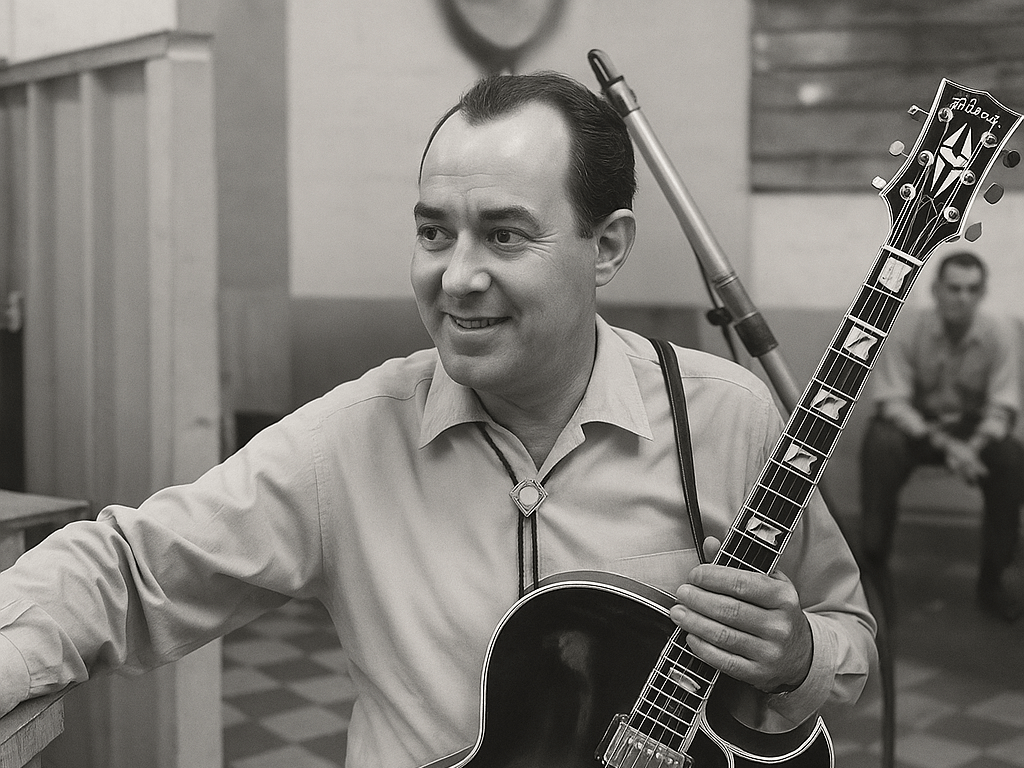
Bill Clifton is a gentle revolutionary in the world of bluegrass. With a guitar in hand, a songbook in his satchel, and an ear tuned to the past, he quietly transformed the future of traditional music.
Through performance, publication, and perseverance, he ensured that the voices of old ballads and backwoods hymns would echo far beyond their place of origin—into concert halls, folk clubs, and living rooms around the world.
For anyone who has ever picked up a guitar and strummed an old Carter Family tune, chances are Bill Clifton had something to do with it.
 World Bluegrass Day®
Leave a comment