
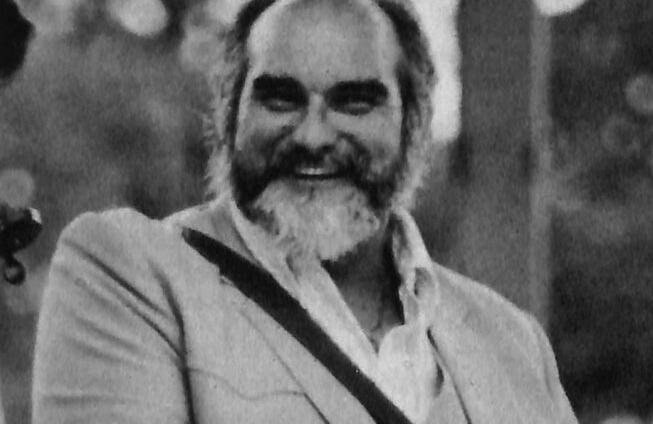
Few banjo players have shaped the sound of bluegrass like Sonny Osborne. As one half of the legendary Osborne Brothers, he brought creativity, power, and showmanship to the five-string banjo, pushing the boundaries of traditional bluegrass and helping usher the genre into new eras.
With his signature drive and technical mastery, Sonny Osborne wasn’t just a banjo player—he was a musical architect, shaping arrangements, harmonies, and band direction. Over a career that spanned more than five decades, Osborne left a legacy of innovation that continues to echo through every stage and studio where bluegrass is played.
Early Life and First Breaks
Sonny Osborne was born on October 29, 1937, in Leslie County, Kentucky, and raised in Dayton, Ohio. He picked up the banjo as a young boy and was soon emulating the style of his hero, Earl Scruggs. His early talent was undeniable—by the age of 14, he was already performing professionally.
In 1952, at just 14 years old, Sonny landed a job playing banjo for Bill Monroe and the Blue Grass Boys. It was a rare feat for someone so young, and it offered him direct experience with the founding father of the genre. Though his stint with Monroe was brief, it had a lasting impact on Sonny’s approach to music, professionalism, and innovation.
The Osborne Brothers: Harmony, Power, and Progress
After returning home, Sonny began performing with his older brother, Bobby Osborne, and together they formed The Osborne Brothers, one of the most successful and influential bluegrass acts of all time.
From the beginning, the Osborne Brothers sought to expand the boundaries of bluegrass. Their signature three-part harmonies, which often placed the melody in the tenor voice rather than the lead, helped create a sound that was as distinctive as it was trend-setting.
Their 1967 hit “Rocky Top” became one of the most recognized bluegrass songs in history. Though not originally intended to be a serious song, it struck a nerve with audiences and became an enduring anthem—particularly in Tennessee, where it was adopted as a state song.
Banjo Innovation and Technique
Sonny Osborne wasn’t just a solid banjo player—he was a pioneer of tone, timing, and experimentation. He pushed the banjo beyond traditional roles by incorporating:
- Melodic-style runs and complex transitions
- Backup techniques that were rhythmically and harmonically rich
- Use of electronic pickups and effects before it was common in bluegrass
- New arrangements and tunings that gave the banjo a broader voice within a band
He was never content to simply mimic Earl Scruggs—though he revered him deeply. Instead, Sonny built on that foundation, developing a sound all his own: one that was crisp, inventive, and perfectly suited to the Osborne Brothers’ progressive approach.
A Champion of Modern Bluegrass
In the 1960s and 1970s, while some purists resisted change, the Osborne Brothers embraced modern influences:
- Added electric bass, steel guitar, and drums in select recordings
- Played major country festivals and crossed over into commercial country music
- Brought bluegrass into mainstream venues and TV appearances, expanding its reach
Sonny’s leadership and adaptability were key to the group’s longevity. He also had a sharp wit and wasn’t afraid to speak candidly about the music industry, often advocating for bluegrass to evolve and survive.
Later Years and Legacy
In 2005, Sonny retired from performing due to shoulder problems that affected his ability to play. But he didn’t disappear—he became an influential voice through his columns, interviews, and online posts, sharing stories, critiques, and mentorship for younger musicians.
Throughout his life, he received many honors, including:
- IBMA Hall of Fame induction (1994, with Bobby)
- SPBGMA Awards for banjo playing and recorded excellence
- Reverence among generations of banjoists and bluegrass fans for both his sound and spirit
Sonny Osborne passed away on October 24, 2021, just five days shy of his 84th birthday. His death was deeply felt across the bluegrass world, but his influence remains profound.
Conclusion
Sonny Osborne was more than a banjo player—he was a creative force who helped shape modern bluegrass. From his teenage days with Bill Monroe to his decades of groundbreaking work with Bobby, Sonny blended tradition and innovation in a way few others dared.
With a sharp mind, a fearless approach to change, and a deep love for the genre, Sonny Osborne left behind not just recordings, but a vision for what bluegrass could be—expansive, expressive, and endlessly evolving.
Whether you hear it in a lightning-fast solo, a three-part harmony, or a familiar chorus of “Rocky Top”, Sonny’s banjo still rings out.
 World Bluegrass Day®
Leave a comment