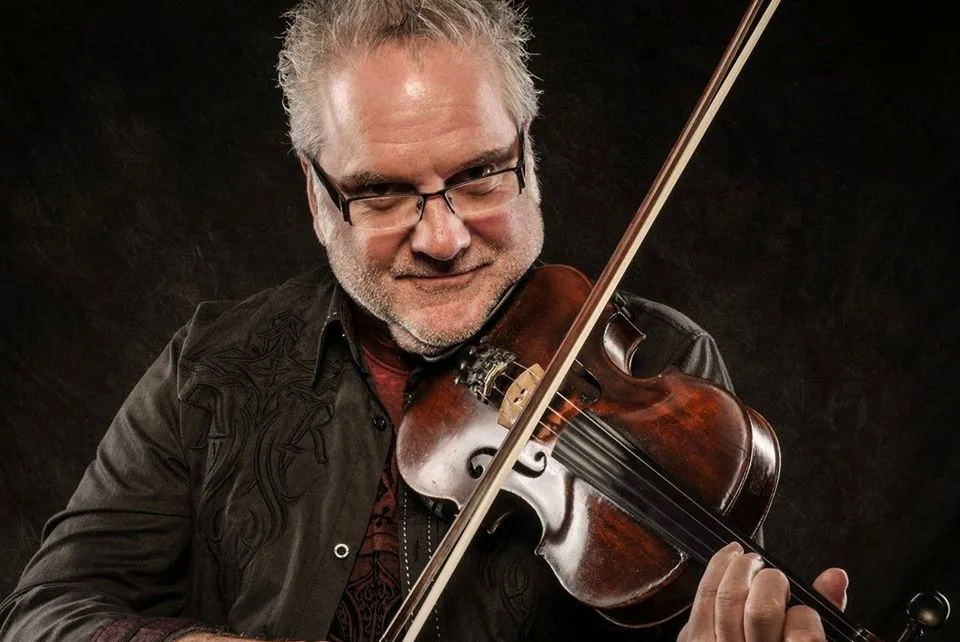
In a world of high-speed pickers and fiery solos, Glenn Duncan stands out not for flash, but for mastery. A consummate musician, Duncan has spent decades shaping the sound of modern bluegrass from behind the scenes — as a fiddler, banjo player, guitarist, and mentor whose skill and humility earned him the respect of every band he touched.
Often described as a musician’s musician, Duncan’s versatility and deep understanding of the bluegrass tradition made him a vital contributor to some of the genre’s most enduring ensembles.
Early Life and Musical Foundation
Glenn Duncan was born and raised in Oklahoma, a region where Western swing, country, and bluegrass intertwined. Coming from a musical family, he was surrounded by fiddle tunes and country radio from an early age. His father, a respected musician himself, introduced him to a range of instruments — and by his teenage years, Glenn could play nearly all of them.
He gravitated first to the fiddle, developing a smooth, expressive tone rooted in old-time phrasing but capable of the fiery drive required in bluegrass.
Rising Through the Ranks
By the late 1970s and early 1980s, Glenn Duncan had become one of the most sought-after session players in Nashville. His ability to switch seamlessly between fiddle, banjo, mandolin, guitar, and bass made him invaluable in both live and studio settings.
He performed with some of bluegrass’s most respected artists, including:
- Bill Monroe and the Blue Grass Boys
- Jim & Jesse McReynolds
- The Osborne Brothers
- The Sidemen (the famed group of Nashville Opry pickers)
- Hank Williams Jr., Earl Scruggs, and Alison Krauss in various collaborations
Duncan became known not only for his technical precision but for his ability to elevate any ensemble — never overpowering, always enhancing.
The Sidemen and the Nashville Scene
One of Duncan’s most visible roles came as a founding member of The Sidemen, a supergroup composed of Nashville’s top bluegrass session players, including Hoot Hester, Mike Bub, and Terry Eldredge. The Sidemen became a mainstay at the Station Inn, Nashville’s premier bluegrass venue, where fans could see some of the finest musicians in the world playing for the love of the music.
Duncan’s work with The Sidemen showcased his ability to blend traditional fiddle sensibilities with a modern sense of phrasing and tone. His playing was both deeply rooted and forward-looking—a balance that defines great bluegrass.
Session Work and Mentorship
Throughout his career, Glenn Duncan became one of Nashville’s most trusted studio musicians. His session credits include a who’s who of country and bluegrass artists, from Ricky Skaggs and Vince Gill to Dolly Parton and Garth Brooks.
He was admired not just for his musicianship, but for his professionalism, humility, and generosity toward younger players. Many emerging musicians cite Duncan as a mentor who offered encouragement, advice, and example.
Musical Style and Legacy
Glenn Duncan’s style defies easy categorization. On fiddle, his tone is round and lyrical, his bowing fluid and expressive. On banjo, his touch is crisp yet understated, often serving the song rather than the solo. His multi-instrumental command reflects a deep musical intelligence—one grounded in listening as much as playing.
He stands in the lineage of players like Chubby Wise and Vassar Clements, combining precision with soul.
Honors and Recognition
While Duncan has never courted fame, his contributions have been recognized within the bluegrass and Nashville communities:
- Featured performer at the Grand Ole Opry and major festivals
- Respected session musician for top-tier country and bluegrass artists
- Mentor and role model to countless young musicians
His career is a reminder that not all legends live in the spotlight—some make their mark by lifting others higher.
Conclusion
Glenn Duncan embodies the quiet excellence of bluegrass tradition. A multi-instrumentalist, teacher, and lifelong student of the music, he represents the best of what bluegrass stands for: heart, humility, and mastery.
While his name may not appear on every marquee, his influence runs through the sound of modern bluegrass. Every time a fiddle break flows with soul, or a banjo phrase glides with taste and timing, there’s a little of Glenn Duncan in it.
 World Bluegrass Day®
Leave a comment