
Bluegrass music did not begin with a single defining moment or recording. Instead, it emerged rapidly during the mid-1940s, when traditional Appalachian string band music was transformed into something faster, sharper, and more virtuosic. Most historians agree that bluegrass crystallized between 1945 and 1947, centered around Bill Monroe and his band, the Blue Grass Boys.
A crucial turning point came in late 1945, when Earl Scruggs joined Monroe’s group. His three-finger banjo style introduced a rhythmic drive and technical precision that permanently changed string band music. From that moment forward, Monroe’s recordings revealed a sound distinct enough to be recognized as a new genre.
What follows are ten songs widely regarded as the earliest true bluegrass recordings—the music that defined the genre’s structure, sound, and identity.
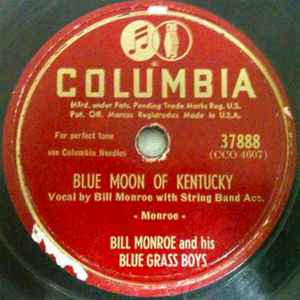
- Blue Moon of Kentucky (1946)
Often cited as the foundational bluegrass song, this recording established the genre’s emotional and musical core. Its high lonesome vocal delivery, driving mandolin rhythm, and stripped-down intensity became defining characteristics of bluegrass. - Molly and Tenbrooks (1947)
A traditional ballad transformed into a high-speed showcase of instrumental breaks and competition. This recording demonstrated how bluegrass reimagined older material through tempo, virtuosity, and structure. - Heavy Traffic Ahead (1946)
One of the earliest original bluegrass compositions, this song revealed that bluegrass was not simply a preservation of tradition but a modern, forward-driving form of music. - Toy Heart (1946)
This waltz proved that bluegrass could be expressive and emotionally restrained. Its tight harmonies and melodic clarity highlighted the genre’s range beyond fast breakdowns. - Little Cabin Home on the Hill (1946)
A nostalgic song that helped define bluegrass vocal harmony. The trio harmonies and clean ensemble balance became a model for future bluegrass bands. - Kentucky Waltz (1946)
Elegant and lyrical, this song showed bluegrass’s capacity for refinement. Its crossover success later helped bring bluegrass to a wider audience. - True Life Blues (1946)
By incorporating blues phrasing and darker emotional tones, this recording expanded bluegrass’s expressive vocabulary and influenced later generations of musicians. - Blue Grass Breakdown (1947)
One of the first definitive bluegrass instrumentals, this track showcased Scruggs’s banjo style and established the break-based instrumental format that remains central to the genre. - Footprints in the Snow (1945–46)
An early example of bluegrass gospel, this song set the template for sacred bluegrass through tight harmony, steady rhythm, and emotional sincerity. - Little Maggie (1946)
A traditional song reshaped into unmistakable bluegrass form, featuring aggressive tempo and banjo-driven momentum that highlighted the genre’s transformative power.
These recordings did more than introduce new songs. They established the classic bluegrass ensemble, the break-based solo structure, the high lonesome vocal aesthetic, and a clear separation from old-time and country music. After these recordings, bluegrass was no longer an experiment—it was a fully formed genre with its own identity, sound, and future.
 World Bluegrass Day®
Leave a comment