Bluegrass didn’t begin as a genre label. It began as a sound—familiar, rural, and deeply American, but sharpened into something more driving, more precise, and more emotionally piercing than what came before it. By the time people regularly used the word “bluegrass” to describe a style, the music itself had already been happening for years. The name simply arrived late to a party that was already in full swing.
A World Before Genres
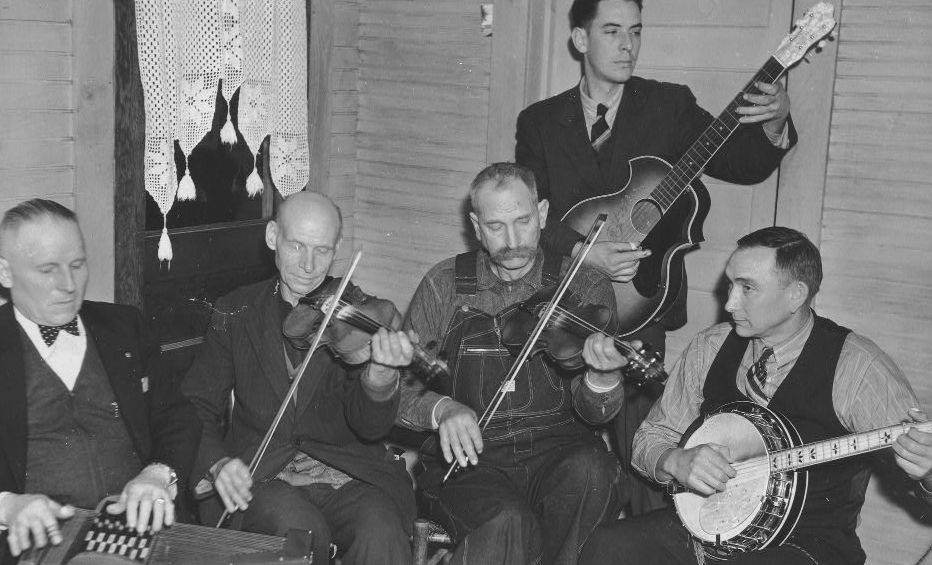
To understand “before bluegrass,” picture a time when music wasn’t sorted into neat categories. Fiddle tunes weren’t “old-time,” gospel harmonies weren’t “bluegrass gospel,” and ballads weren’t “traditional repertoire.” They were just songs—played for dancing, for worship, for storytelling, or simply because families knew them and passed them down.
In that world, the building blocks of bluegrass were already present:
- The fiddle carrying melody
- The banjo bringing rhythm and bite
- The guitar pushing time forward
- Voices stacked in close harmony that could sound both plainspoken and haunting
The ingredients were there. They just hadn’t been fused into a single, recognizable “sound” yet.
Records and Radio Changed the Stakes
The 1920s and 1930s didn’t just preserve rural music—they transformed what it meant to perform it. Commercial recordings helped local styles travel. Radio did something even bigger: it created a shared national audience that could hear, compare, and develop preferences.
And radio rewarded certain qualities. A band that was tight, exciting, and consistent could build a following fast. Timing mattered more. Projection mattered more. Arrangements mattered more. The performance had to land the same way every time, through a microphone, on a broadcast schedule.
That pressure—polish without losing authenticity—pushed string-band music toward the precision and drive that later became central to bluegrass.
The Vocal Blueprint Was Already Written
Before bluegrass had a name, it already had a vocal heritage. Harmony singing in country music—especially the brother duets and family groups—built a template that bluegrass would later refine:
- Strong lead vocals that felt direct and honest
- High harmony parts that carried emotional tension
- Lyrics rooted in home, faith, wandering, heartbreak, and resilience
What bluegrass did differently wasn’t invent harmony. It intensified it—tightened it, lifted it higher, and made it cut through the air with a sharper, lonesomer edge.
Gospel Was Not a Side Influence
Sacred music wasn’t a separate lane—it was part of the same road. Gospel songs supplied repertoire, structure, and the harmony language that bluegrass later carried into festivals, jam circles, and concert stages.
This is why bluegrass gospel doesn’t feel like a “subgenre add-on.” It feels native. The tradition was already there in the musical bloodstream before bluegrass became a named style.
A Convergence of Traditions
Bluegrass grew out of a real mix: ballads and fiddle tunes, harmony duos and church music, dance rhythms and storytelling songs. It also absorbed musical influences that shaped American rural music broadly—including blues phrasing and rhythmic feel that had long been woven into the larger Southern musical landscape.
The result wasn’t a clean break from what came before. It was an acceleration—like taking familiar materials and turning up the voltage.
Bill Monroe: The Sound Finds a Center
By the late 1930s, the conditions were perfect for a synthesis. The instruments existed. The songs existed. The harmony approach existed. The broadcast platforms existed. What was missing was a bandleader obsessive enough to fuse those elements into a repeatable, identifiable style—and bold enough to push tempo, attack, and virtuosity past what most audiences expected from rural string music.
That’s where Bill Monroe enters the story.
Monroe didn’t invent every ingredient, but he combined them with a distinctive vision. He formed the Blue Grass Boys and shaped a band identity built on drive, clarity, and musical firepower. The irony is that the band name came before the genre name. “Blue Grass” was first a reference to Kentucky and Monroe’s branding—only later did it become the label listeners used for the style itself.
The Moment the Unnamed Sound Became Obvious
In the mid-1940s, something clicked. The music Monroe was making wasn’t just “country” or “hillbilly” anymore, even if that’s what the industry still called it. The rhythm locked harder. The tempos pushed forward. The instrumental breaks became a feature instead of a decoration. The vocals cut higher and truer.
And when Earl Scruggs joined Monroe’s band in late 1945, his banjo style didn’t create the tradition from scratch—it supercharged what was already forming. The sound became undeniable. Even without the label, audiences could hear that something new had arrived.
The Name Caught Up Later
Bluegrass is one of the rare genres where the naming is almost backwards: the band name existed first, and the genre name grew out of it later. By the time “bluegrass” became a common label in wider public use, the sound had already been tested on radio, sharpened on the road, and captured on record.
The Takeaway
Before bluegrass had a name, it already had an identity: acoustic power, emotional clarity, tight harmony, hard timing, and instrumental breaks that felt like friendly competition turned into art. The label arrived late—because first, the music had to arrive fully formed.
 World Bluegrass Day®
Leave a comment