-
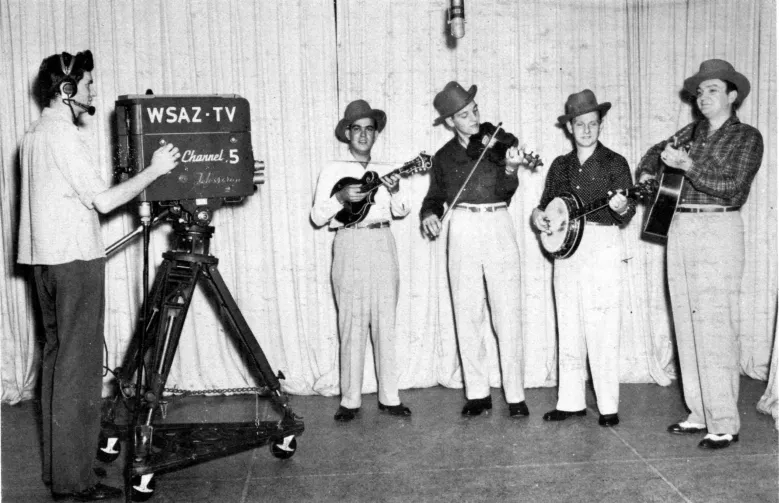
What Makes a Song “Traditional” in Bluegrass?
—
by
In bluegrass, traditional is not a date stamp. It’s a designation earned over time through sound, usage, and cultural acceptance. A traditional bluegrass song feels…
-
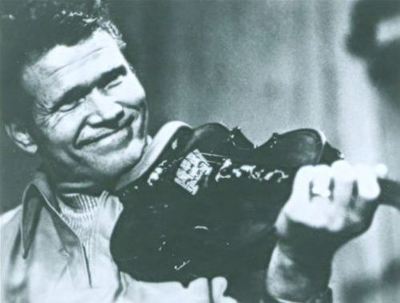
Vassar Clements: The Fiddler Who Let Bluegrass Swing
—
by
Bluegrass has always carried a kind of electricity—tight harmonies, hard rhythm, and instrumental lines sharp enough to cut the air. But every so often, a…
-
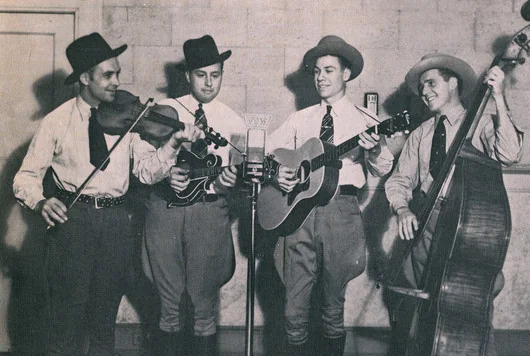
The Blue Grass Boys: The Band That Created a Genre
—
by
Plenty of bands define an era. Very few define a genre. Bill Monroe’s Blue Grass Boys did both—almost by accident at first. The name “Blue…
-
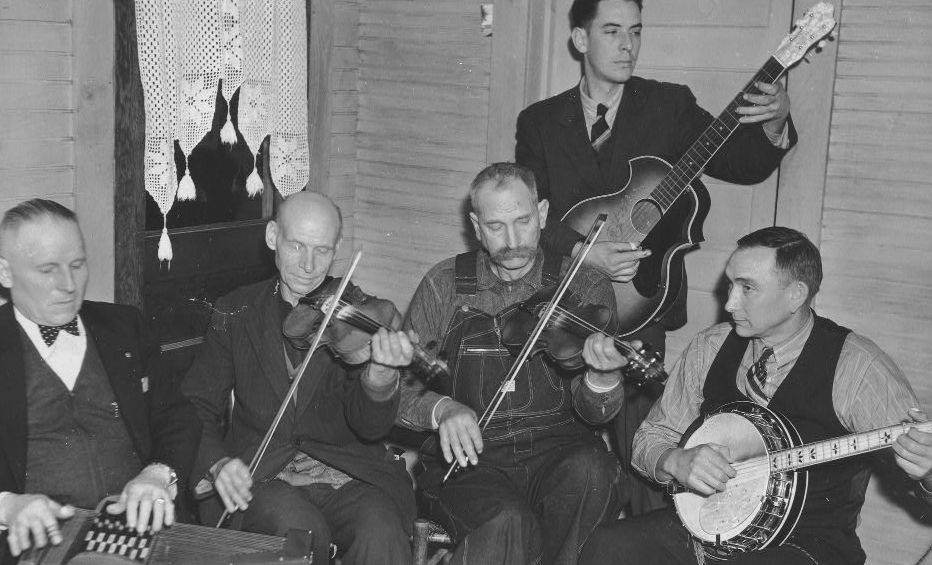
Before Bluegrass Had a Name: A Timeline of the Sound Taking Shape
—
by
Bluegrass didn’t begin as a genre label. It began as a sound—familiar, rural, and deeply American, but sharpened into something more driving, more precise, and…
-
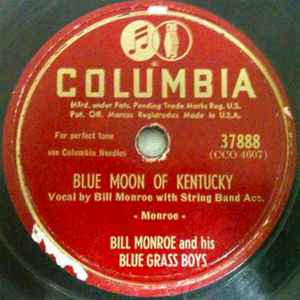
The First Bluegrass Songs: How a Genre Was Born
—
by
Bluegrass music did not begin with a single defining moment or recording. Instead, it emerged rapidly during the mid-1940s, when traditional Appalachian string band music…
-
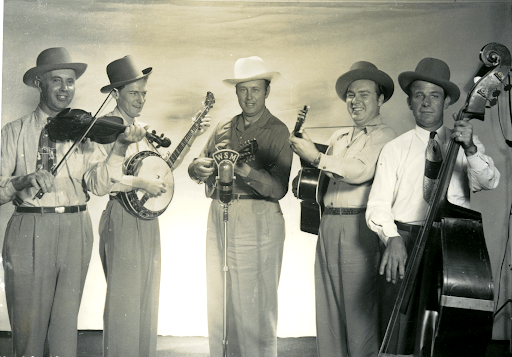
The Five Pillars of Bluegrass: Banjo, Mandolin, Fiddle, Acoustic Guitar, and Upright Bass
—
by
Bluegrass music is instantly recognizable—its drive, sparkle, and high-lonesome energy come from a carefully balanced blend of acoustic instruments working together in perfect conversation. Although…
-

One Song, One Year: Bluegrass by the Calendar
—
by
1946 — Blue Moon of KentuckyThe sound announces itself on record. High lonesome vocals, mandolin chop, and unmistakable identity. 1947 — Blue Grass BreakdownInstrumental breaks…
-
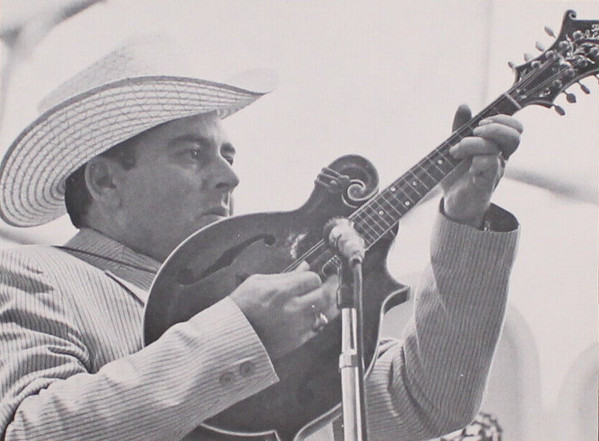
Earl Taylor: The Mandolin Firebrand Who Brought Bluegrass to New Heights
—
by
In the years when bluegrass was still carving out its identity beyond its Appalachian birthplace, it wasn’t only the biggest names who carried the music…
 World Bluegrass Day®