
Some musicians become famous for pushing music in new directions. Others earn lasting respect by preserving its deepest traditions. Norman Blake has spent a lifetime doing both.
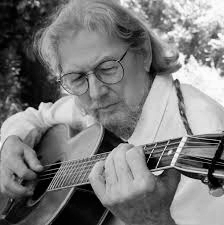
Widely regarded as one of the finest acoustic guitarists in American roots music, Blake built a career grounded in bluegrass, old-time music, country, and traditional folk. His playing is known not for speed or flash, but for clarity, taste, and an unwavering commitment to melody. Over the course of more than six decades, he became one of the most respected musicians in acoustic music, influencing generations of guitarists while helping preserve many of the traditions that shaped bluegrass itself.
Early Life and Musical Beginnings
Norman Blake was born on March 10, 1938, in Chattanooga, Tennessee, and grew up in nearby Sulphur Springs, Georgia. Raised in a musical family, he was exposed early to traditional Southern music, including old-time fiddle tunes, country songs, and early bluegrass.
As a young musician, Blake learned guitar, mandolin, fiddle, and dobro, developing a broad understanding of traditional string music. Unlike many players who focused on a single instrument, he became known for his versatility and deep knowledge of American musical traditions.
His early influences included country musicians, traditional fiddle players, and the emerging bluegrass movement. Rather than focusing solely on technical complexity, Blake became interested in the craftsmanship of songs, melodies, and arrangements.
Early Professional Career
By the late 1950s and early 1960s, Blake had begun working professionally as both a performer and session musician. His reputation for tasteful playing and musical reliability led to opportunities in Nashville, where he became part of a generation of highly respected acoustic musicians.
During these years, Blake worked with a wide variety of artists across country, bluegrass, and folk music. His ability to move comfortably between styles made him especially valuable in recording sessions, where authenticity and versatility were highly prized.
Although he was capable of impressive technical playing, Blake consistently favored musicality over showmanship—a characteristic that would define his entire career.
Session Work and Musical Collaborations
Norman Blake became one of the most sought-after acoustic musicians in Nashville during the 1960s and 1970s. His guitar, mandolin, and dobro work appeared on recordings by numerous artists, helping shape the sound of American roots music during a period of significant growth.
His collaborations included work with artists such as Johnny Cash, Bob Dylan, and Kris Kristofferson. Despite these high-profile associations, Blake remained committed to traditional acoustic music and continued pursuing his own artistic path.
His partnership with his wife, Nancy Blake, became another important part of his career. Together they recorded and performed music that reflected a shared love of traditional American song and instrumental music.
Musical Style and Approach
Norman Blake’s guitar style is often described as elegant, economical, and deeply melodic.
Rather than emphasizing speed, he focused on:
- Strong melody and phrasing
- Clear, articulate tone
- Traditional flatpicking techniques
- Respect for the structure of the song
His playing reflects the influence of older guitar traditions that predate modern bluegrass virtuosity. Every note serves a purpose, and every phrase feels connected to the song itself.
Blake was equally respected as a singer. His understated vocal style matched his instrumental approach—honest, direct, and free from unnecessary embellishment.
What made Blake unique was his ability to make simple musical ideas feel profound. He demonstrated that technical mastery does not require complexity, and that restraint can be just as powerful as speed.
Influence on Bluegrass and Acoustic Music
Norman Blake’s influence extends across multiple generations of acoustic musicians.
Within bluegrass, he helped preserve traditional guitar styles at a time when many players were pursuing increasingly complex approaches. His recordings encouraged musicians to explore older repertoire and to value melody as much as technique.
Beyond bluegrass, Blake became a central figure in the broader acoustic music revival. His work helped connect audiences with traditional American music that might otherwise have been forgotten.
Many guitarists cite Blake as an influence not because he played the most notes, but because he played exactly the right ones.
Later Years and Legacy
Throughout his career, Norman Blake remained remarkably consistent in his artistic vision. While musical trends changed around him, he continued to focus on traditional songs, instrumental music, and acoustic craftsmanship.
His recordings, performances, and collaborations earned widespread respect across the worlds of bluegrass, folk, country, and old-time music. More importantly, they helped preserve musical traditions that continue to inspire musicians today.
Though he eventually reduced his public performances, Blake’s influence remains deeply woven into modern acoustic music.
Conclusion
Norman Blake never chased trends or sought the spotlight. Instead, he devoted his life to understanding, preserving, and sharing the music he loved.
Through his guitar playing, singing, and dedication to traditional music, he became one of the most important custodians of America’s acoustic heritage. His work reminds us that innovation is not always about creating something new. Sometimes it is about preserving something valuable and passing it on with care.
In a musical world often drawn to complexity, Norman Blake showed the enduring power of simplicity, melody, and tradition. And in doing so, he became one of the most respected voices in American roots music.
Leave a Reply